Cardiovascular

Compare leadless vs. transvenous results

AVEIR™ Leadless Pacemakers result in fewer complications than transvenous pacemakers (TVP)

AVEIR DR LP System vs.
Dual Chamber TVP

6-Months Real-World
Evidence Data1

With AVEIR LPs:
41% lower rate of Overall Complication
52% lower rate of Device-related Complication
51% lower rate of Device-related Reintervention

AVEIR VR Ventricular LP vs.
Single Chamber
Ventricular TVP

12-Months Real-World
Evidence Data2

With AVEIR LP:
30% lower rate of Overall Complication
47% lower rate of Device-related Complication
61% lower rate of Device-related Reintervention

Real-World AVEIR AR Atrial LP vs. Single Chamber Atrial TVP

30 days and 3-months Real-World
Evidence Data3

With AVEIR LP:
Significantly lower rate of Device-related Complications at 30 days
0% Device-related Reintervention at 3 months

AVEIR™ Leadless Pacemakers — Choose the Right Therapy by Indication

Deliver the most physiologic pacing strategy for your patient with a modular leadless system designed to treat a range of bradyarrhythmias. AVEIR AR Atrial LP, VR Ventricular LP and DR LP System offer chamber specific therapies, upgradeable pathways, and long-term retrievability.4

AVEIR™ AR2 ATRIAL LP

  • Sinus node dysfunction and normal AV and intraventricular conduction systems

AVEIR™ VR VENTRICULAR LP

  • Significant bradycardia and normal sinus rhythm with only rare episodes of AV block or sinus arrest
  • Chronic atrial fibrillation

AVEIR™ DR DUAL CHAMBER LP SYSTEM

  • Sinus node dysfunction
  • Chronic, symptomatic 2nd-and 3rd-degree AV block
  • Symptomatic bilateral bundle branch block when tachyarrhythmia and other causes have been ruled out

See the technology

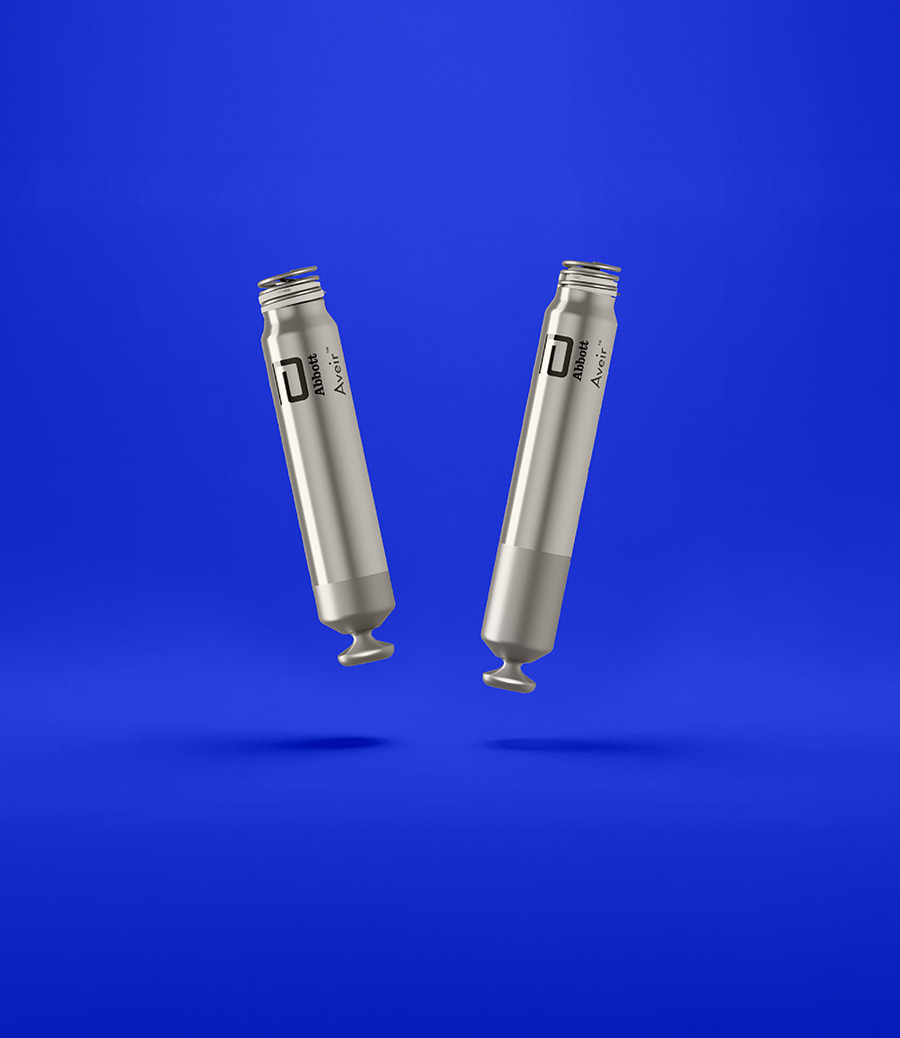
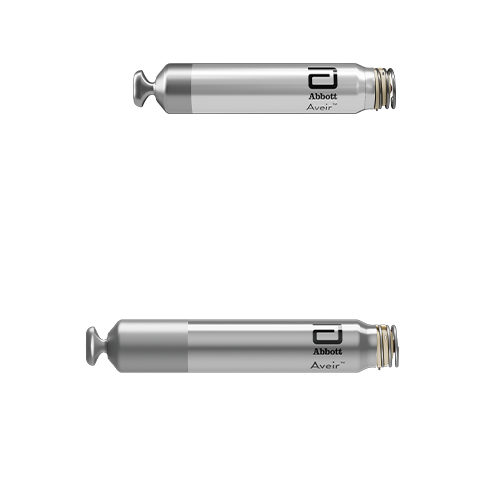
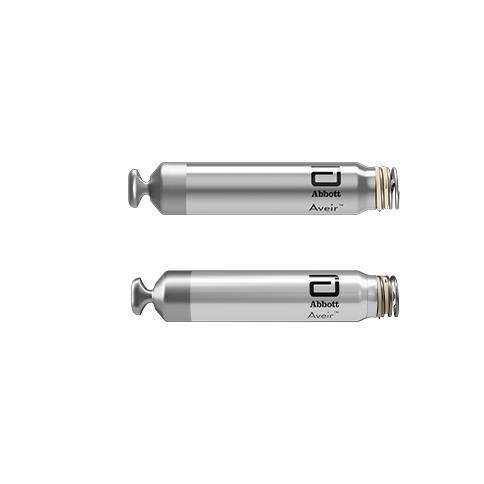
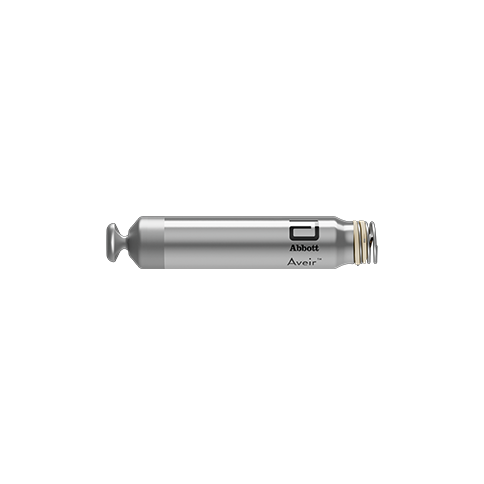
Our innovative leadless technology allows both atrial and ventricular devices to be implanted in the heart through a minimally invasive catheter-based procedure. A protective sleeve fully covers the leadless pacemaker during catheter navigation to reduce the risk of device damage and injury to cardiovascular structures.

Receive news about AVEIR Leadless Pacemakers

References

  1. Lo M, Amin AK, Kowalski M, et al. Leadless Versus Transvenous Dual-Chamber Pacemakers: Real-World Evidence From AVEIR DR Coverage With Evidence Development Study. J Cardiovasc Electrophysiol. 2026;37:544-553
  2. Ip JE, Brady PA, Kroman AM, et al. Leadless versus transvenous single-chamber ventricular pacemakers: real-world evidence from Aveir VR coverage with evidence development study. J Am Heart Assoc. 2025;14:e042471. doi:10.1161/JAHA.125.04247 1.
  3. Nilsson KR, Birgersdotter-Green UM, Diaz JO, et al. Leadless vs transvenous atrial pacemakers: real-world evidence from Aveir AR coverage with evidence development study. Heart Rhythm. 2025;22(4 suppl):S633.
  4. AVEIR Leadless Pacemakers and Delivery Catheter IFU. ARTEN600361108.

Important safety information

AVEIR

Indications, Safety & Warnings

Rx Only

Brief Summary: Prior to using these devices, please review the Instructions for Use for a complete listing of indications, contraindications, warnings, precautions, potential adverse events and directions for use.

Indications for Use: The AVEIR™ Leadless Pacemaker system is indicated for management of one or more of the following chronic clinical presentations: syncope, pre-syncope, fatigue, disorientation, and one or more of the indications which follow. Rate-modulated pacing is indicated for patients with chronotropic incompetence, and for those who would benefit from increased stimulation rates concurrent with physical activity. Dual-chamber pacing is indicated for patients exhibiting one or more of the following conditions: sick sinus syndrome; chronic, symptomatic second- and third-degree AV block; recurrent Adams-Stokes syndrome; symptomatic bilateral bundle-branch block when tachyarrhythmia and other causes have been ruled out. Atrial pacing is indicated for patients with: sinus node dysfunction and normal AV and intraventricular conduction systems. Ventricular pacing is indicated for patients with significant bradycardia and: normal sinus rhythm with only rare episodes of AV block or sinus arrest, chronic atrial fibrillation. MR Conditional: The AVEIR Leadless Pacemaker is conditionally safe for use in the MRI environment and according to the instructions in the MRI-Ready Leadless System Manual.

Intended Use: The AVEIR™ Leadless Pacemaker (LP) is designed to provide bradycardia pacing as a pulse generator with built-in battery and electrodes for implantation in the right ventricle and the right atrium. The LP is intended to provide sensing of intrinsic cardiac signals and delivery of cardiac pacing therapy within the implanted chamber for the target treatment group. The LP is also intended to operate optionally with another co-implanted LP to provide dual-chamber pacing therapy.

The AVEIR™ Delivery Catheter is intended to be used in the peripheral vasculature and the cardiovascular system to deliver and manipulate an LP. Delivery and manipulation includes implanting an LP within the target chamber of the heart.

Contraindications: Use of the AVEIR™ Leadless Pacemaker is contraindicated in these cases:

  • Use of any pacemaker is contraindicated in patients with a co-implanted ICD because high-voltage shocks could damage the pacemaker and the pacemaker could reduce shock effectiveness.

  • Single-chamber ventricular demand pacing is relatively contraindicated in patients who have demonstrated pacemaker syndrome, have retrograde VA conduction, or suffer a drop in arterial blood pressure with the onset of ventricular pacing.

  • Programming of rate-responsive pacing is contraindicated in patients with intolerance of high sensor driven rates.

  • Use is contraindicated in patients with an implanted vena cava filter or mechanical tricuspid valve because of interference between these devices and the delivery system during implantation.

  • Persons with known history of allergies to any of the components of this device may suffer an allergic reaction to this device. Prior to use on the patient, the patient should be counseled on the materials (listed in the Product Materials section of the IFU) contained in the device and a thorough history of allergies must be discussed.

Adverse Events: Potential complications associated with the use of the AVEIR™ Leadless Pacemaker system are the same as with the use of single or dual chamber pacemakers with active fixation pacing leads including, but not limited to: cardiac perforation; cardiac tamponade; pericardial effusion; pericarditis; endocarditis; thrombus formation; thromboembolism; valve damage or regurgitation; heart failure; pneumothorax/hemothorax; cardiac arrhythmias; diaphragmatic/phrenic nerve stimulation / extra-cardiac stimulation; palpitations; hypotension; syncope; cerebrovascular accident; infection; hypersensitivity reaction to device materials, contrast media, medications, or direct toxic effect of contrast media on kidney function; pacemaker syndrome; inability to interrogate or program the LP due to programmer or LP malfunction; intermittent or complete loss of capture, pacing or sensing (non-battery related); oversensing; increased capture threshold; inappropriate sensor response; corrupted, intermittent, or loss of i2i communications; interruption of desired LP function due to electrical interference, either electromyogenic or electromagnetic; battery malfunction/ premature battery depletion; device-related complications (premature deployment, device dislodgement/embolization of foreign material, inability to release/re-dock of the LP from catheter, helix distortion); additional surgery or intervention; death. As with any percutaneous catheterization procedure, potential complications include, but are not limited to: vascular access complications, such as perforation, dissection, puncture, groin pain; bleeding or hematoma; thrombus formation; thromboembolism; air embolism; local and systemic infection; peripheral nerve damage; general surgery risks and complications from comorbidities; such as dyspnea, respiratory failure, pneumonia, hypertension, cardiac failure, reaction to sedation, renal failure, anemia, and death.

Refer to the User’s Manual for detailed indications, contraindications, warnings, precautions, and adverse events.

™ Indicates a trademark of the Abbott group of companies. 

Indicates a third-party trademark, which is property of its respective owner.

MAT-2603446 v2.0 | Item approved for U.S. use.